
Washbasin with or without an overflow - which should you choose?
Whether a washbasin has an overflow determines the choice of Washbasin siphon and Click-Clack waste. The overflow opening helps protect the bathroom from flooding by directing excess water straight into the waste system, making it a practical option for frequent everyday use. Models without this feature offer a smooth form and minimalist appearance but require more careful use. Find out which option will best meet the needs of your washbasin area.
Types of washbasin
The shape, material and installation method of a ceramic washbasin directly affect whether an overflow system can be used in a particular bathroom area. Inset and vanity washbasins usually have a factory-made opening that drains excess water because their construction makes it easier to conceal a double ceramic wall. Countertop models shaped as thin-walled bowls often omit this feature in favour of a modern, minimalist design.
The market offers classic washbasins, steel models and increasingly popular granite washbasins, which offer exceptional resistance to scratches, discolouration and mechanical damage. The material used determines the specific care requirements and durability in everyday use. Before adding a product to the basket, always check its construction. Design details determine which plumbing components are required to keep the connections watertight. The Kuchinox range shows that high visual quality and a consistent look can be maintained regardless of the technical requirements.
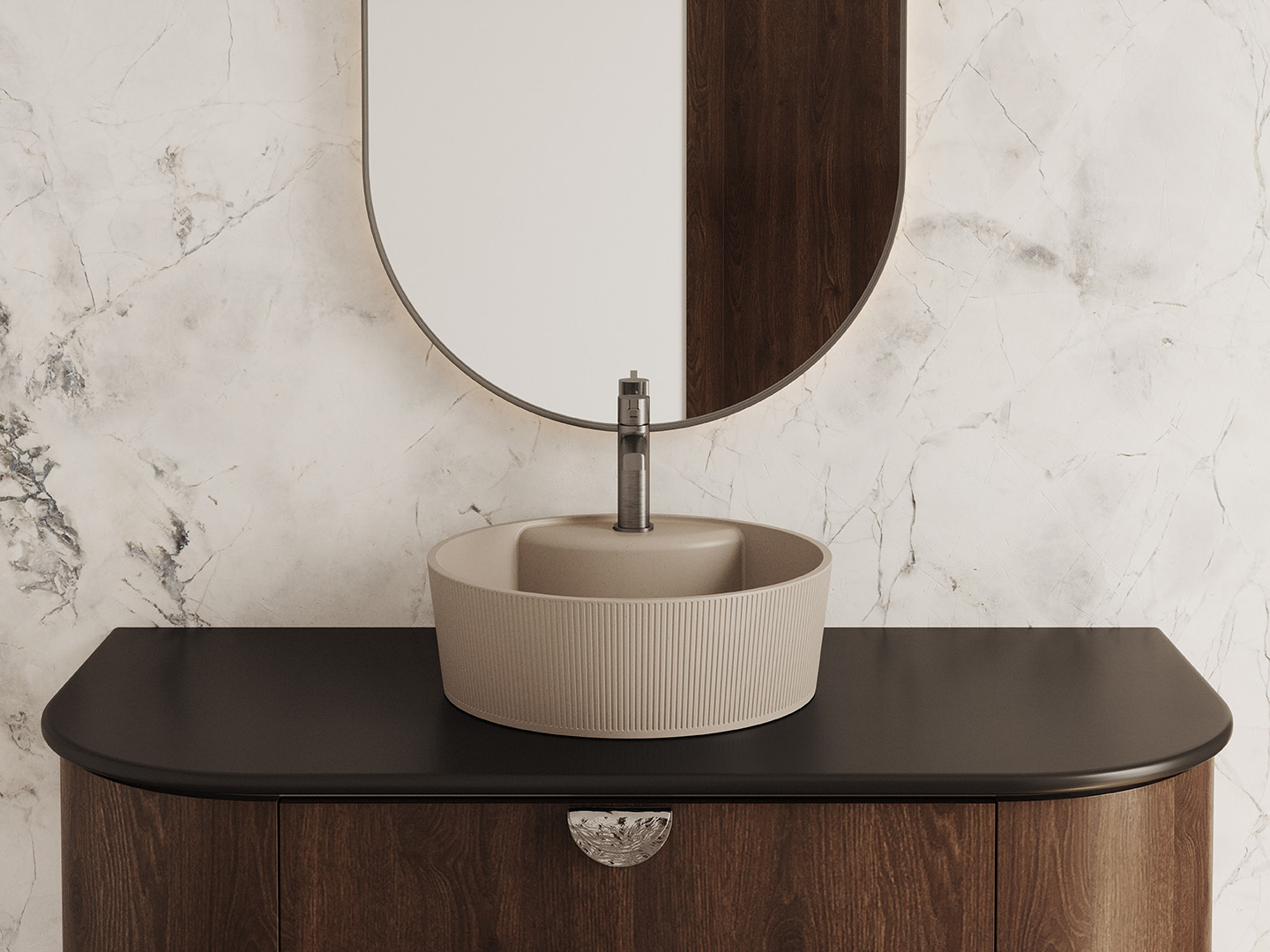
Washbasin with an overflow
The main purpose of the overflow opening is to drain excess water efficiently into the waste system, preventing it from spilling over the rim of the bowl onto the floor. The solution works automatically. When the water reaches a dangerous level, it enters a small opening, usually located just below the mixer, and flows through an internal channel directly into the connected Washbasin siphon. This system can prevent flooding if the tap is left running while the waste is closed.
The mechanism requires dedicated components to work correctly. A special Washbasin plug with overflow slots is needed, usually operated by a Click-Clack mechanism and fitted with shaped openings in its Brass thread. Water from the additional channel passes through these openings and joins the main waste stream. This traditional solution provides reassurance during the morning routine or when hand-washing clothes. It is particularly practical in multi-person households, where a tap is more likely to be left running accidentally.
Washbasin without an overflow
Without an additional water outlet, the bowl has a smooth, uniform surface that enhances the appearance of the interior, but the water level must be monitored carefully. Contemporary bathrooms often use slim-rimmed countertop models whose material is too thin to accommodate a concealed overflow channel. These forms look exceptionally light and make strict hygiene easier to maintain. Eliminating the extra recess near the top reduces the risk of hard-to-remove soap residue and limescale accumulating, as well as bacteria multiplying.
Using a bowl without this water safety feature requires different habits. Closing the waste while the Washbasin mixer is running can quickly cause water to spill directly onto the cabinet. Correct installation requires a watertight Washbasin plug without overflow slots. Its stem has a solid construction without side openings, ensuring that the seals fit as closely as possible. Customers choosing rounded washbasins often pair them with fittings equipped with precise ceramic cartridges, helping to prevent persistent dripping after the mixer lever has been lowered.
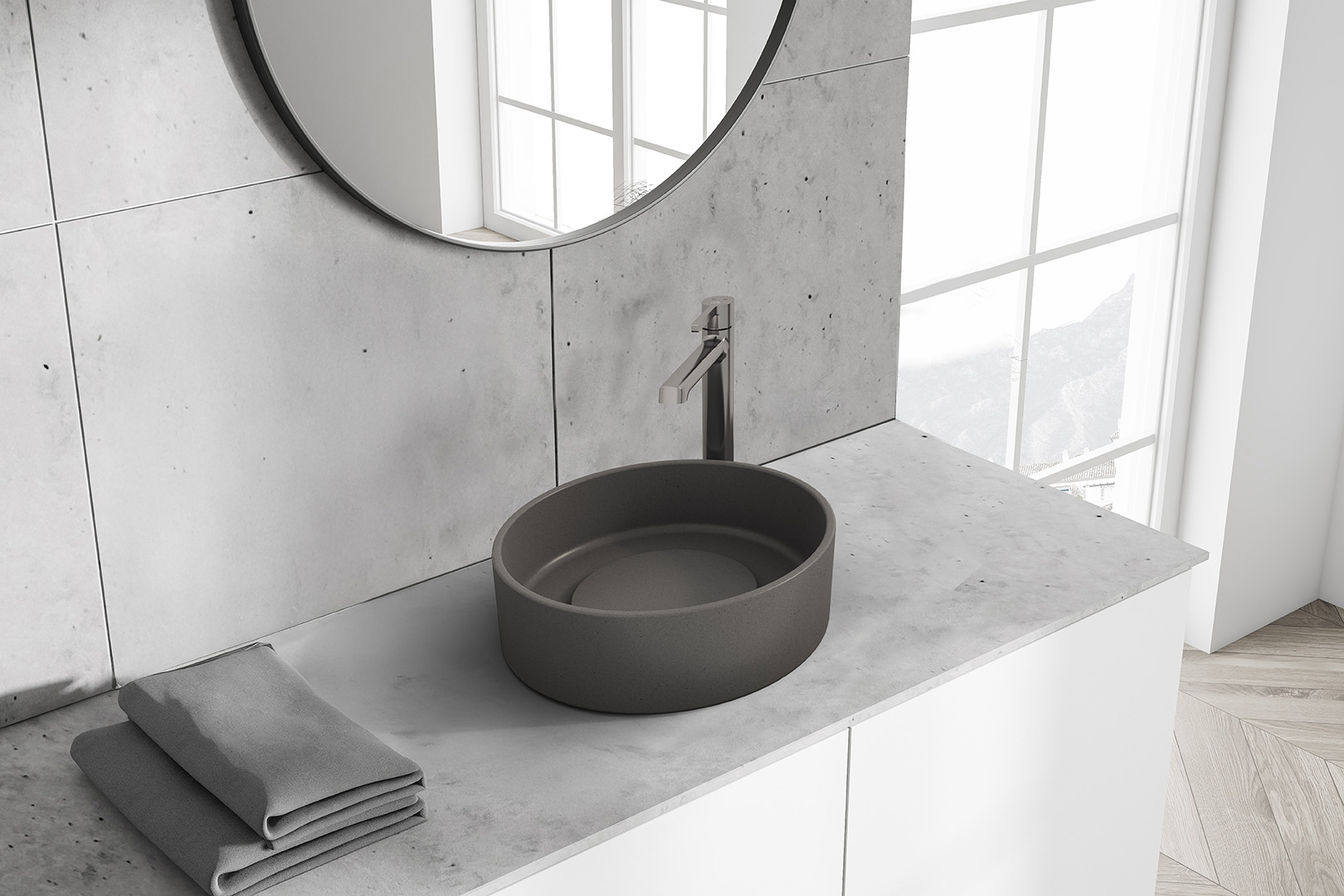
Why an overflow matters in a washbasin
The overflow opening acts as a permanent hydraulic safeguard, protecting bathroom furniture, countertops and flooring from lasting damage caused by accidental flooding. This protection is especially important in apartment buildings. Spilt water can quickly penetrate tile joints and create a direct risk of damaging the ceiling of the flat below. The mechanism provides extra time to react not only when a running tap is forgotten, but also when the main waste is gradually blocked by hair and cosmetic residue.
Omitting this proven safeguard requires careful planning of the washbasin area. A popular compromise for bowls without an overflow is a free-flow waste, which allows water to drain continuously. It completely eliminates water accumulation and is standard in public toilets and commercial spaces. A traditional overflow, however, provides greater freedom at home. It allows the bowl to be filled safely to the rim when soaking fabrics, with excess water draining into the waste stack in a controlled way.
Which washbasin should you choose?
The final purchase decision depends on balancing the practical need for safety with the desired minimalist form of the washbasin area. Before visiting a shop, carefully consider the habits and ages of everyone in the household, as well as the characteristics of the room.
If young children share the bathroom, a version that reduces the risk of flooding the cabinet is the most sensible choice. In a guest toilet, where hands are rinsed only under running water without closing the waste, a slim model with completely smooth lines can work very well. The varied sanitary solutions bearing the Kuchinox logo allow the ceramic washbasin and matching fittings to be selected precisely for the intended use.
Installing a washbasin with an overflow
Correct installation begins with a siphon and waste designed to handle both water paths. The plumbing work starts by fitting the Click-Clack waste into the drain opening. The side openings in its main Brass body must align precisely with the outlet of the channel formed inside the ceramic washbasin. If this point is misaligned, the water path will be blocked and pressure may force water through the thread directly into the cabinet.
The next step is to connect the pipes of the bottle or tubular Washbasin siphon, paying particular attention to the orientation of the seals. The entire drainage system must be assembled by carefully tightening the locking nuts and positioning the tapered seals exactly as instructed by the manufacturer. To test the installation, close the Washbasin plug, run the mixer until the overflow opening begins to work and observe the system closely. Water must drain evenly through the waste pipes, with no signs of moisture around the fittings beneath the countertop.
Installing a washbasin without an overflow
A system without an overflow has a simplified hydraulic path in which wastewater has only one route into the household waste system. When selecting installation components, do not use Washbasin plugs with side openings. Fitting an overflow model in this type of bowl will cause water to escape along the outside of the thread because it will flow through the slots directly onto the furniture. Installation requires a solid-body waste with wide Silicone collars that form a tight seal against the edges of the opening.
After the waste has been firmly secured to the ceramic washbasin, any compatible siphon can be connected to its thread. Because many countertop models are prominently displayed, installers often recommend decorative Brass siphons. Matching the finish of the waste component to the Washbasin mixer, for example Black matt, Brushed gold or mirror-finish Chrome, strengthens the visual consistency of the washbasin area. In this way, typically technical components become part of a simple loft-style design.
FAQ - frequently asked questions
Can a Washbasin plug with overflow slots be fitted to a washbasin without an overflow?
No. This installation error will cause water to escape immediately through the side openings of the Washbasin plug and run directly onto the furniture. Use only dedicated non-overflow wastes with a complete, solid and smooth Brass body.
How can the overflow opening in a ceramic washbasin be cleaned effectively?
Use a small flexible crevice brush or a dedicated cleaning brush together with a product that dissolves soap residue and limescale. Regularly flushing the channel with warm water helps prevent bacterial growth and unpleasant odours.
Do countertop washbasins have an overflow system?
Most designer models placed on a countertop are thin-walled bowls without an overflow. More substantial ceramic forms with a concealed emergency channel are also available on the market.
Does the selected type of mixer determine whether a washbasin with an overflow is required?
The bathroom mixer itself has no effect on the emergency hydraulic path. Correct operation depends solely on the construction of the ceramic bowl and the compatibility of the connected Washbasin plug.


